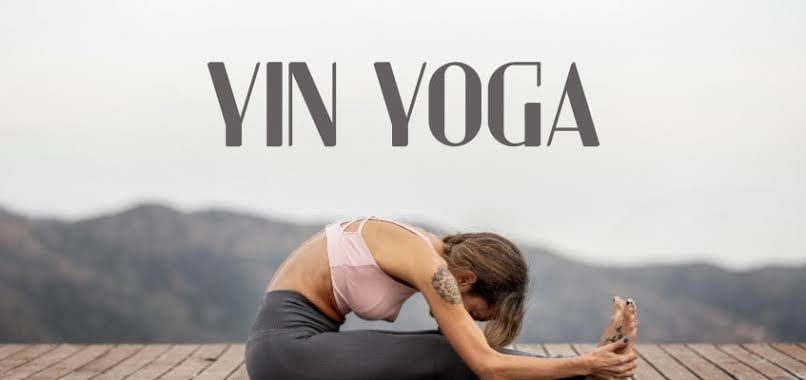
Yin yoga is a gentle style of yoga that focuses on holding poses for an extended period while maintaining a relaxed and mindful approach. Unlike more dynamic yoga styles that emphasize continuous movement, yin yoga encourages stillness, patience, and awareness of physical sensations. For those interested in exploring https://yoga365.online/, this practice offers a different way to experience movement and relaxation without rushing from one pose to another.
Understanding the Principles of Yin Yoga
The central idea behind yin yoga is to allow the body to settle into comfortable positions and remain there for several minutes. Many poses are performed while sitting or lying down, making the practice slower and less physically demanding than some active yoga styles.
During a session, practitioners are encouraged to notice their breathing and observe sensations without forcing themselves into deeper stretches. The goal is not to achieve a perfect pose but to develop awareness and find a suitable level of intensity.
Props such as cushions, folded blankets, and yoga blocks can provide additional support. Beginners should choose positions that feel manageable and leave enough room to breathe comfortably. Sharp pain, numbness, or joint discomfort are signs to ease out of a pose rather than push further.
Why Yin Yoga Uses Long-Held Poses
Long-held poses are one of the defining features of yin yoga. Instead of repeating a movement several times, practitioners usually settle into a position and remain relatively still for a period that suits their experience and comfort.
This slower pace creates opportunities to notice subtle changes in the body. A stretch may feel different after a minute or two, while the mind may become more aware of restlessness, thoughts, or breathing patterns. These observations are part of the practice rather than problems that must be eliminated.
However, longer holds do not automatically produce better results. Each person’s mobility and comfort level are different, so poses should be adjusted accordingly. Shorter holds and supportive props can make the practice more accessible, particularly for people who are new to yoga.
The Role of Mindfulness and Breathing
Yin yoga also places importance on mental awareness. Remaining in one position can encourage practitioners to slow down and pay attention to the present moment instead of focusing on the next movement.
Breathing naturally throughout each pose can help maintain a calm and steady rhythm. There is no need to force deep breaths or control every inhalation and exhalation. Simply noticing the breath can provide a useful point of attention when the mind begins to wander.
For people exploring mindful breathing for daily relaxation, yin yoga can offer a structured opportunity to practise patience and awareness in a quiet setting.
Making Yin Yoga Suitable for Beginners
A beginner-friendly session can start with a few supported poses and brief holding periods. Choosing a quiet space, wearing comfortable clothing, and using cushions where needed can make the experience more enjoyable.
It is also helpful to approach each session with realistic expectations. Flexibility varies from person to person, and progress does not need to be measured by how deeply someone can stretch. The focus should remain on comfort, steady breathing, and attentive movement.
People with injuries or health concerns should seek appropriate professional advice before beginning a new practice, especially when certain positions may place pressure on sensitive joints.
Recent Comments